The Role of Physical Activity in Aging Well
As we age, staying physically active becomes increasingly important. Engaging in regular physical activity has been shown to contribute significantly to overall health and well-being, especially in retirement. This article explores how physical activity can enhance the quality of life for older adults, particularly within retirement lifestyle clubs that foster community, coaching, and engaging events.
Understanding the Basics of Aging and Physical Activity
Research indicates that maintaining a physically active lifestyle can help mitigate many age-related health issues. According to the World Health Organization (WHO), older adults should engage in at least 150 minutes of moderate-intensity aerobic activity each week. This emphasis on movement is crucial because:

- Improved Mobility: Regular physical activity can enhance flexibility and balance, reducing the risk of falls, which is a significant concern for older adults.
- Cardiovascular Health: Engaging in aerobic exercises can strengthen the heart and improve circulation, leading to better overall cardiovascular health.
- Mental Well-being: Numerous studies show a direct correlation between physical activity and mental health, including reduced risk of depression and anxiety.
"Physical activity is a critical component of healthy aging, as it can prevent many chronic diseases and enhance the quality of life." - National Institute on Aging
How Physical Activity Works for Seniors
The principle behind the benefits of physical activity lies in its ability to stimulate various bodily systems. When older adults engage in regular exercise, they:
- Increase Muscle Strength: Resistance training can help build muscle mass, which typically declines with age.
- Enhance Cognitive Function: There is evidence suggesting that physical activity promotes brain health, potentially reducing the risk of cognitive decline.
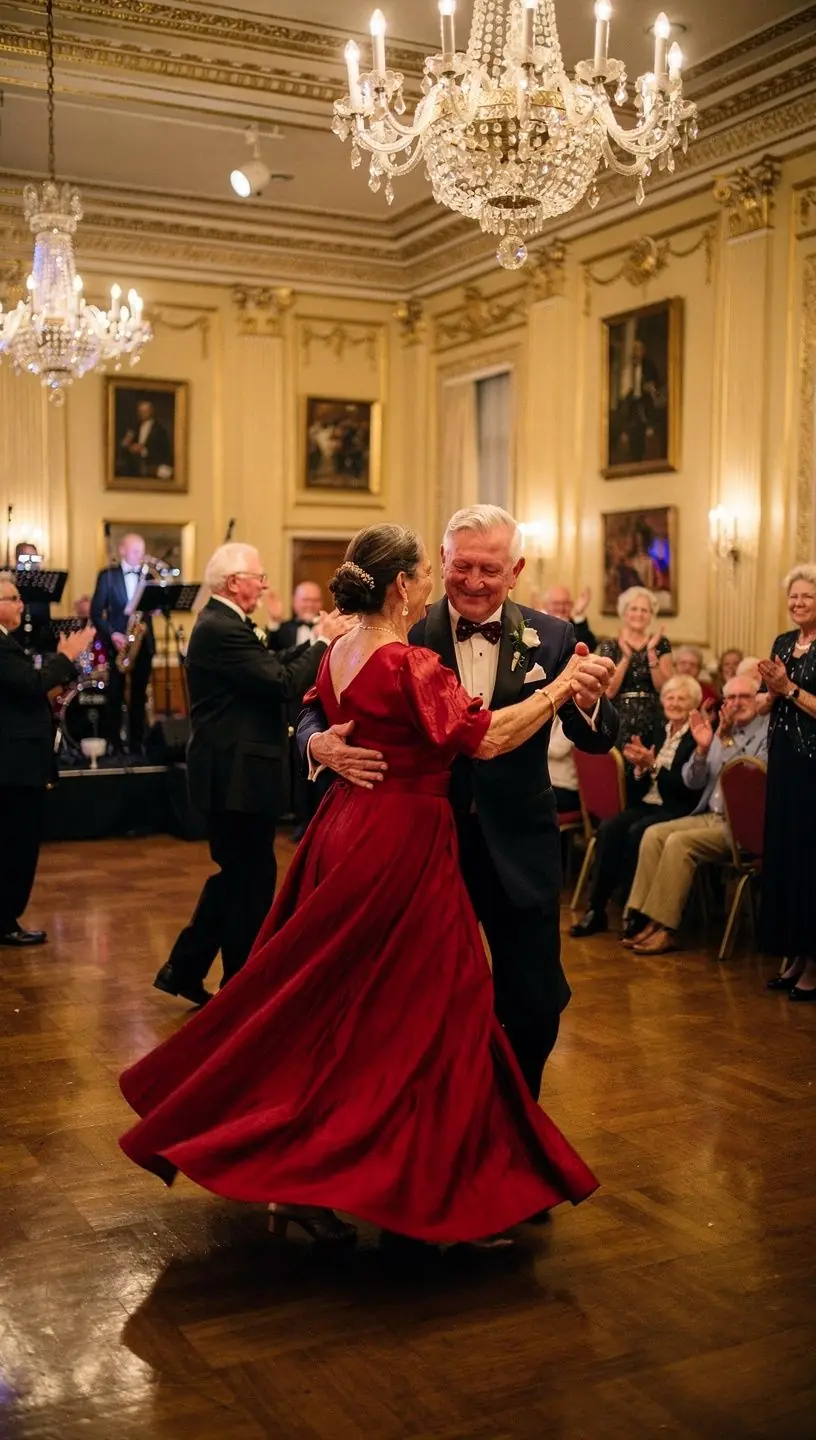
- Boost Social Connections: Participating in group activities, such as dance classes, fosters social engagement, which is vital for emotional health.
Practical Steps to Incorporate Physical Activity
For many seniors, integrating physical activity into their daily routine may involve a few key steps:
- Start Slowly: If you are new to exercise, begin with shorter sessions of light activities and gradually increase the intensity and duration.
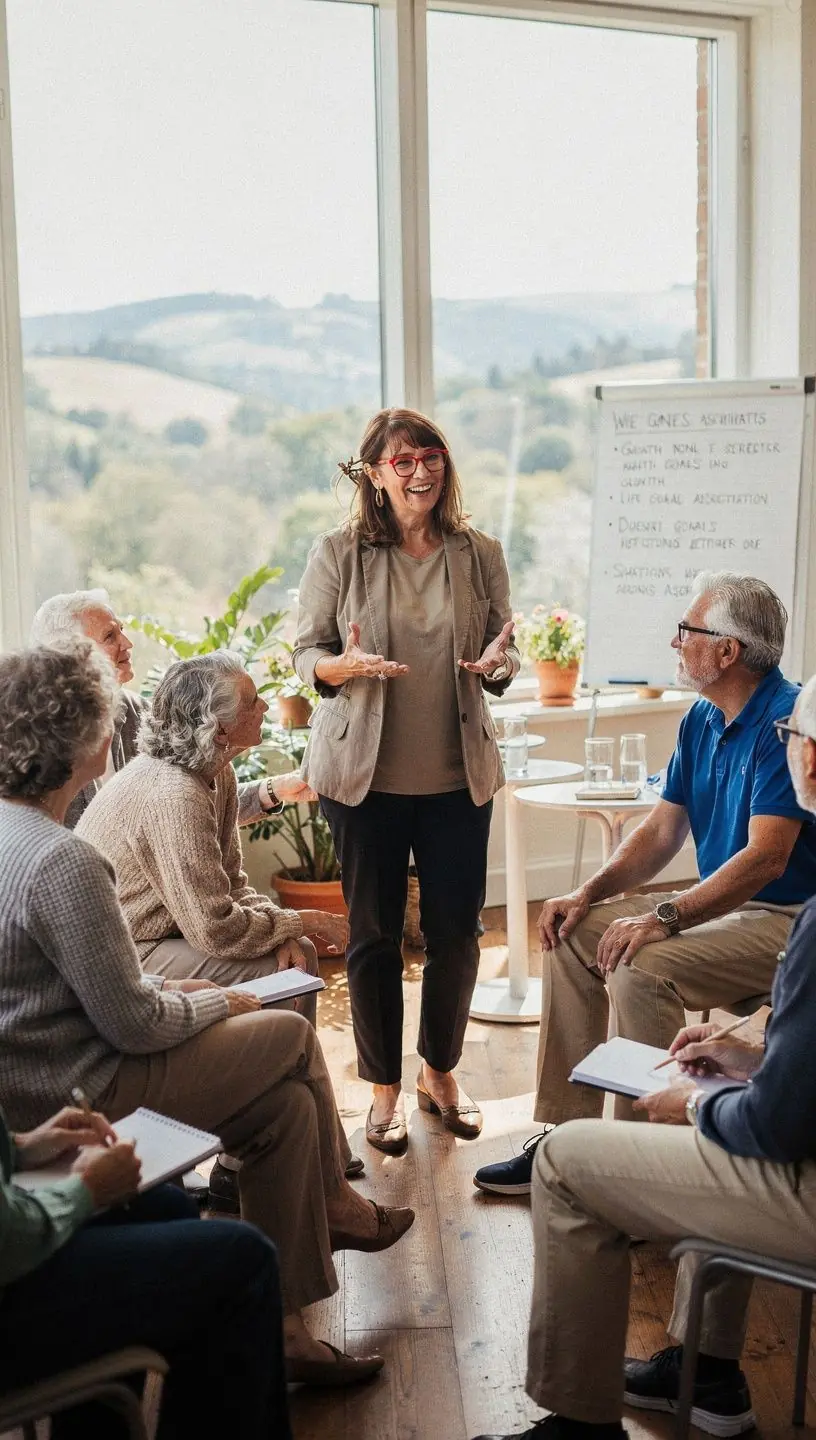
- Join a Community: Engaging with retirement lifestyle clubs can offer structured programs that include dance-based events, which are often more enjoyable and motivating.
- Consult Professionals: Before starting any new exercise regimen, it is advisable to consult healthcare providers or fitness professionals, especially if you have existing health conditions.
Conclusion
Incorporating physical activity into daily life is a valuable investment for aging individuals, particularly within the supportive environment of retirement lifestyle clubs. While challenges such as time commitment and varying physical abilities exist, the benefits of regular exercise—ranging from improved physical health to enhanced mental well-being—are well-documented. By fostering a community that emphasizes coaching and engaging activities, seniors can truly age well while enjoying life to the fullest.