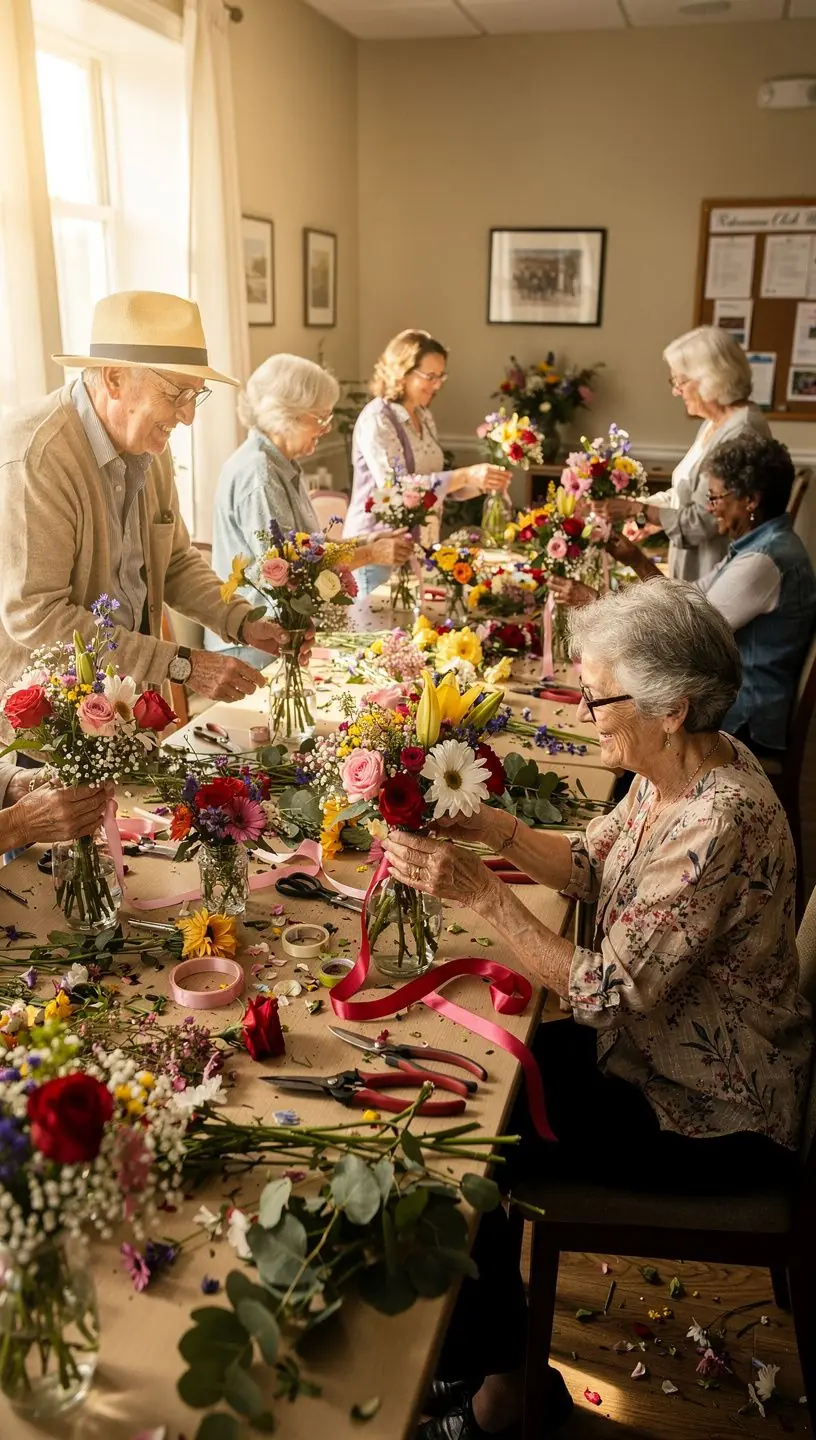
Exploring Volunteer Opportunities within Retirement Clubs
As individuals transition into retirement, many seek ways to remain engaged and active within their communities. Retirement lifestyle clubs often provide meaningful opportunities for volunteering, promoting both personal fulfillment and social connectedness.
Understanding the Benefits of Volunteering
Volunteering can lead to several positive outcomes, including enhanced mental well-being and a sense of purpose. According to research published in the Journal of Happiness Studies, individuals who engage in volunteering report higher life satisfaction and lower levels of depression. This is largely attributed to the social connections formed and the sense of accomplishment that comes from helping others.

"Many studies indicate that volunteering can improve both mental and physical health, fostering a more fulfilled retirement." – National Council on Aging
Common Volunteer Opportunities in Retirement Clubs
Retirement clubs typically offer various volunteering options that cater to different interests and skill sets. Here are some common opportunities:
- Community Service Projects: Many clubs organize initiatives such as cleanup days or food drives, allowing members to contribute to local needs.
- Mentorship Programs: Retirees often have valuable life experiences to share and can provide guidance to younger generations or those facing challenges.
- Event Coordination: Clubs frequently host events, and volunteers can help with planning, setup, and execution, providing a great way to socialize.
How to Get Involved
Getting involved in volunteering often requires a few simple steps:
- Explore Local Clubs: Identify retirement clubs in your area, such as those affiliated with community centers or senior organizations.
- Attend Information Sessions: Many clubs hold informational gatherings where potential volunteers can learn about available opportunities and express their interests.
- Commit to a Schedule: Depending on the type of volunteering, time commitments can vary. It’s essential to assess how much time you can realistically dedicate, typically ranging from a few hours a month to a more regular schedule.
Challenges and Considerations
While volunteering can be rewarding, it’s important to recognize that it may also come with challenges. For example, some roles may require a learning curve or prior skills. Planning and engaging in community service projects might involve logistics that require organization and coordination. Moreover, potential volunteers should consider:
- The time commitment: Some roles might require more involvement than expected, so assessing your availability is crucial.
- The emotional impact: Working with certain communities may bring about emotional challenges, such as dealing with underprivileged populations.
Conclusion
Volunteering within retirement clubs can be an enriching experience that fosters social connections, personal growth, and community impact. By understanding the various opportunities and being aware of the commitment involved, retirees can find fulfilling ways to contribute while enhancing their own quality of life. As many retirees have discovered, engaging with their communities through volunteerism often leads to lasting friendships and an improved sense of purpose during retirement.
Learn More