Understanding Wellness Programs in Retirement Communities
As we age, maintaining our health and well-being becomes increasingly important. Many retirement communities are now focusing on wellness programs that foster physical, mental, and social health. This article explores what these programs entail, their benefits, and how they can enhance the retirement lifestyle.
What Are Wellness Programs?
Wellness programs in retirement communities typically involve a range of activities and services aimed at improving residents' overall health. According to the Centers for Disease Control and Prevention (CDC), these programs often include physical fitness classes, nutrition education, mental health resources, and social activities.
"Research has shown that active engagement in wellness programs can lead to improved quality of life and longevity."
The Importance of Physical Health
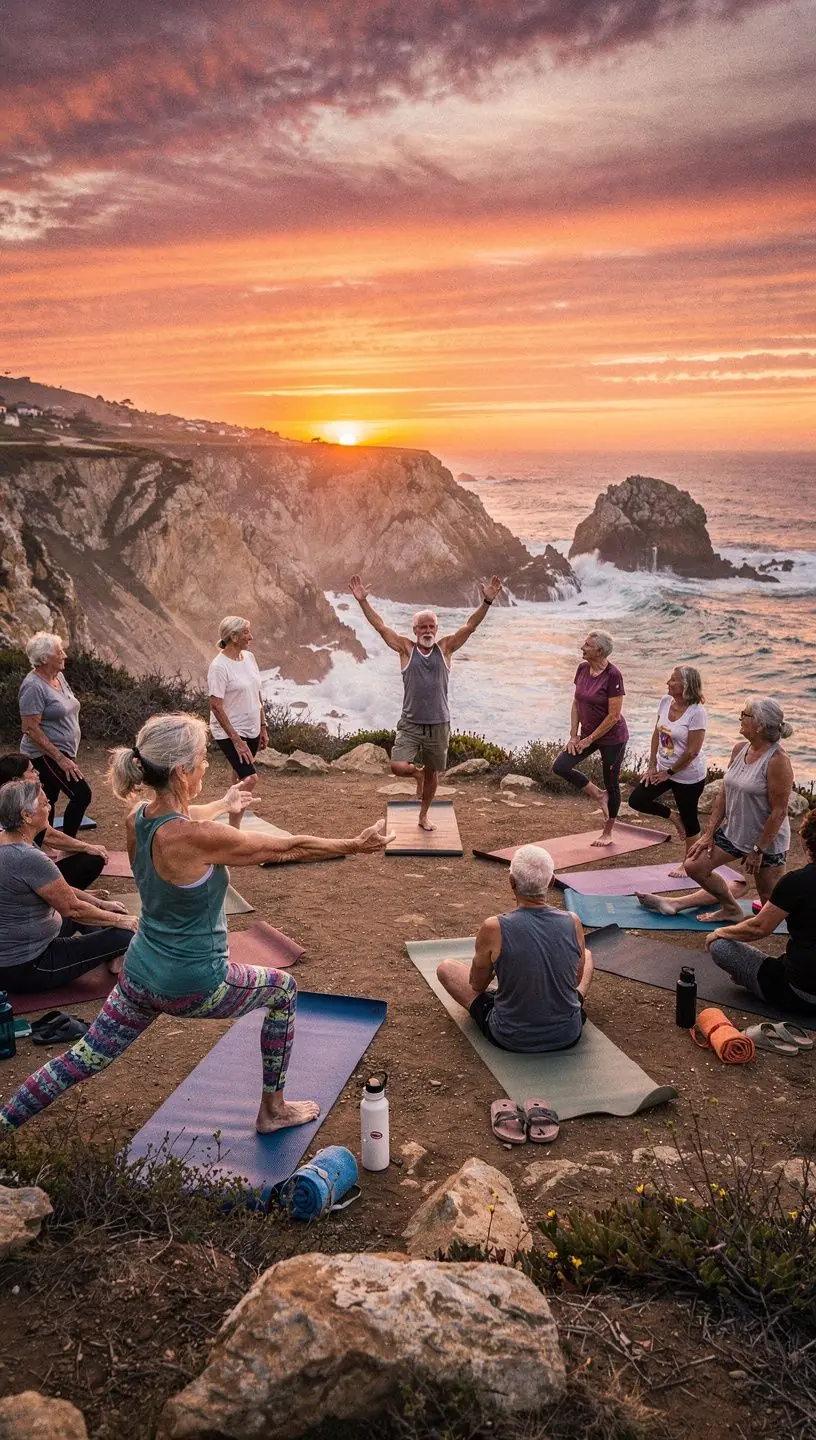
Physical health is a cornerstone of wellness programs. Many retirement communities offer regular exercise classes, such as yoga, tai chi, or dance, which have been shown to improve strength and flexibility. Studies indicate that older adults who engage in regular physical activity can reduce their risk of chronic diseases by up to 30%.
Examples of Physical Activities
- Group Fitness Classes: Engaging in group activities can enhance motivation and adherence to exercise routines.
- Walking Clubs: These provide a social component that can make exercise more enjoyable.
- Dance-based Events: Regular dance events not only offer physical benefits but also promote community bonding.
Mental Wellness and Community Support
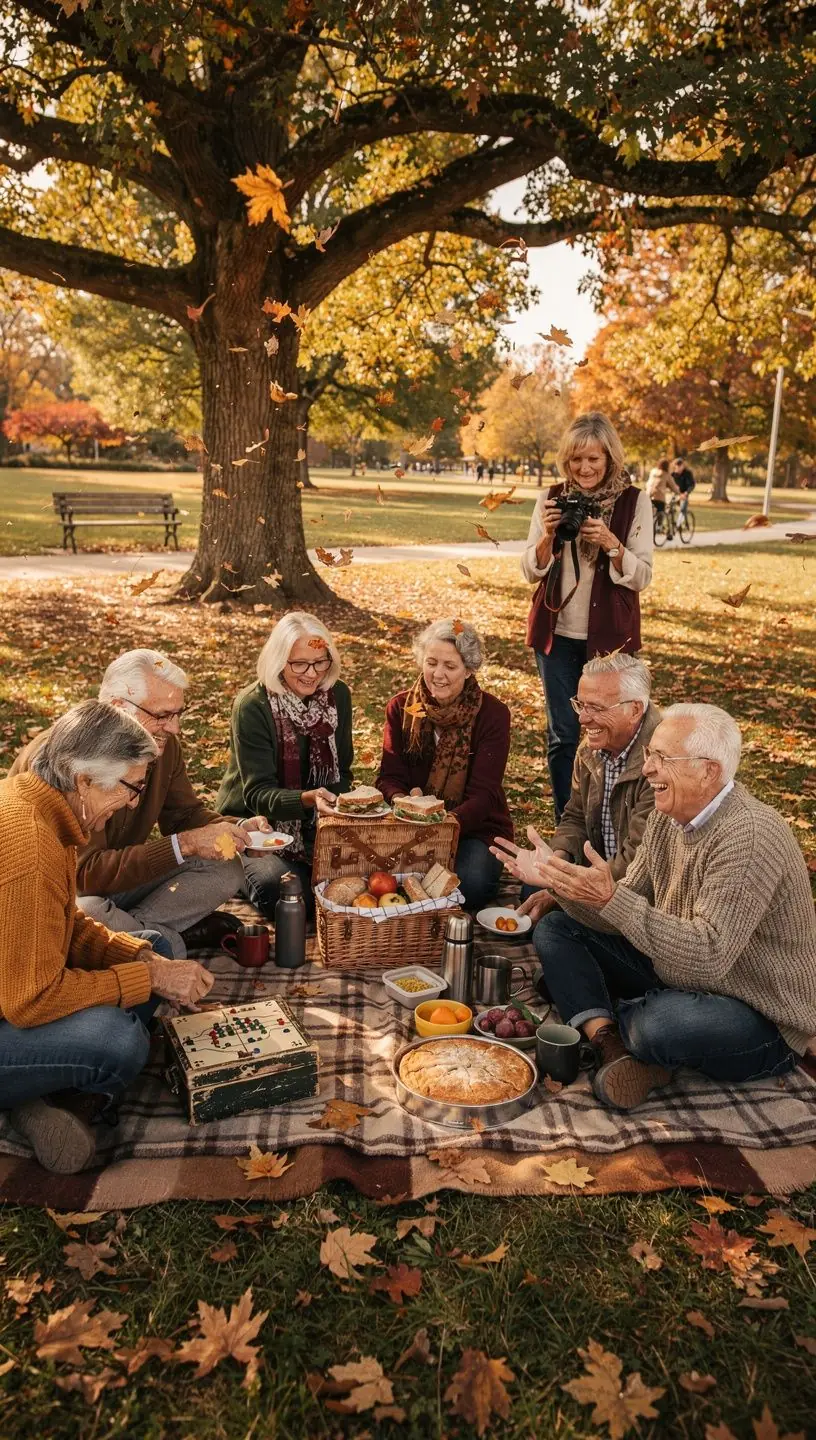
Mental wellness is equally important. Many retirement communities incorporate cognitive activities and social gatherings aimed at stimulating mental engagement. Research indicates that social interaction can significantly reduce loneliness and depression among older adults, contributing to better mental health outcomes.
Components of Mental Wellness Programs
- Workshops and Classes: Educational sessions on mindfulness, stress management, and mental health awareness are commonly offered.
- Support Groups: These provide a safe space for residents to discuss challenges and share experiences.
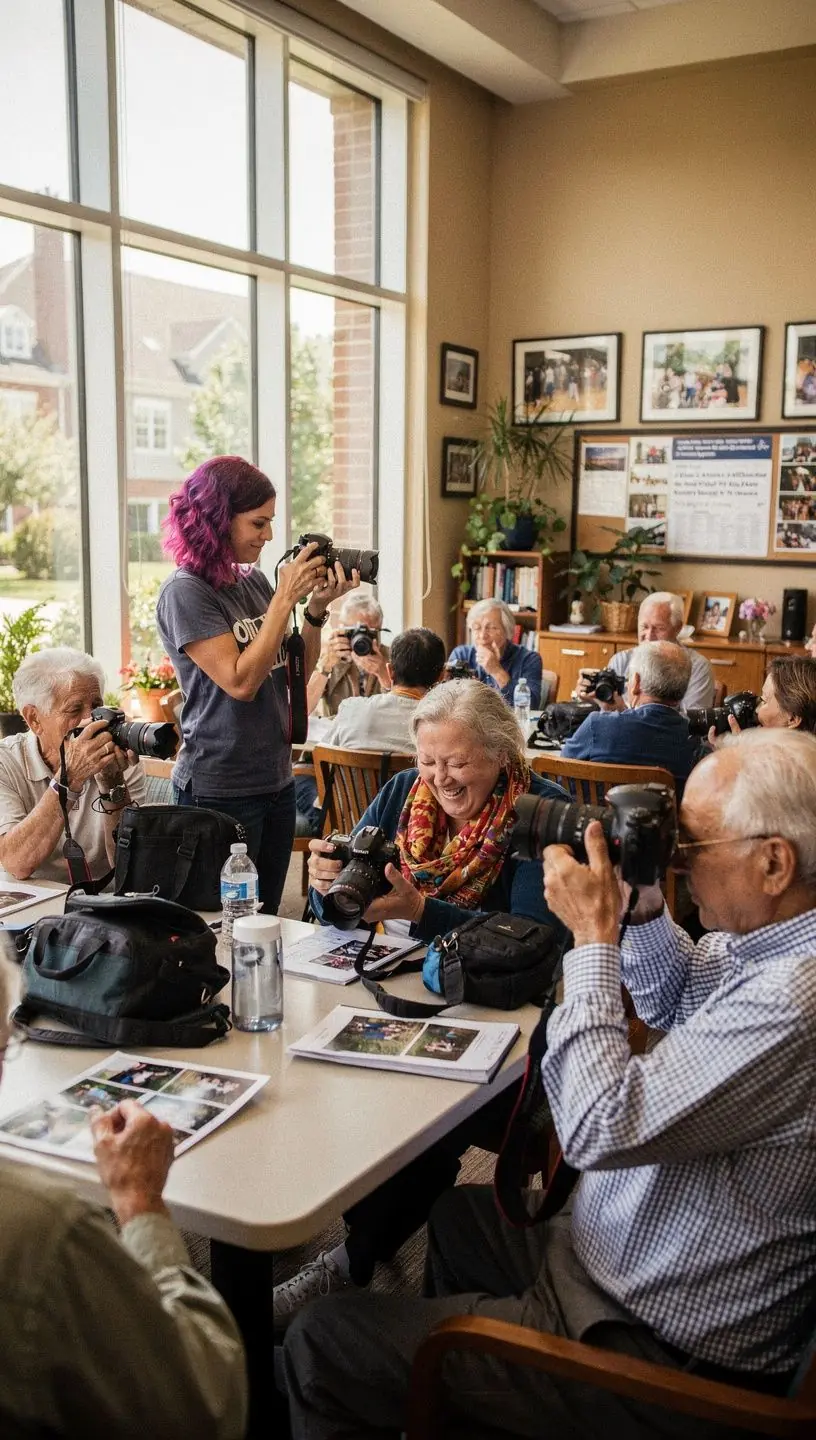
- Creative Arts: Activities like painting or crafting can enhance cognitive functions and provide emotional outlet.
Nutrition and Healthy Eating
Nutrition plays a pivotal role in overall well-being. Retirement communities often provide access to dietitians or nutritionists who can help residents make healthier food choices. According to experts, a balanced diet can contribute to improved health and help manage chronic conditions.
Typical Nutritional Initiatives
- Cooking Classes: Hands-on learning can inspire residents to prepare healthier meals.
- Farmers’ Markets: Access to fresh produce encourages healthier eating habits.
- Nutritional Workshops: These educate residents on the importance of balanced diets and portion control.
Setting Realistic Expectations
While the benefits of wellness programs are supported by research, it's important to set realistic expectations. Most programs require consistent participation and dedication, often taking several months to show noticeable improvements in health and well-being. Individual results can vary based on personal circumstances and existing health conditions.
Conclusion
Wellness programs in retirement communities can provide valuable support in enhancing the overall quality of life for residents. By focusing on physical activity, mental engagement, and nutrition, these programs create a comprehensive approach to health. While results may take time and effort, many residents report significant benefits, reinforcing the importance of community and holistic well-being in retirement.