How to Organize Community Dance Events Successfully
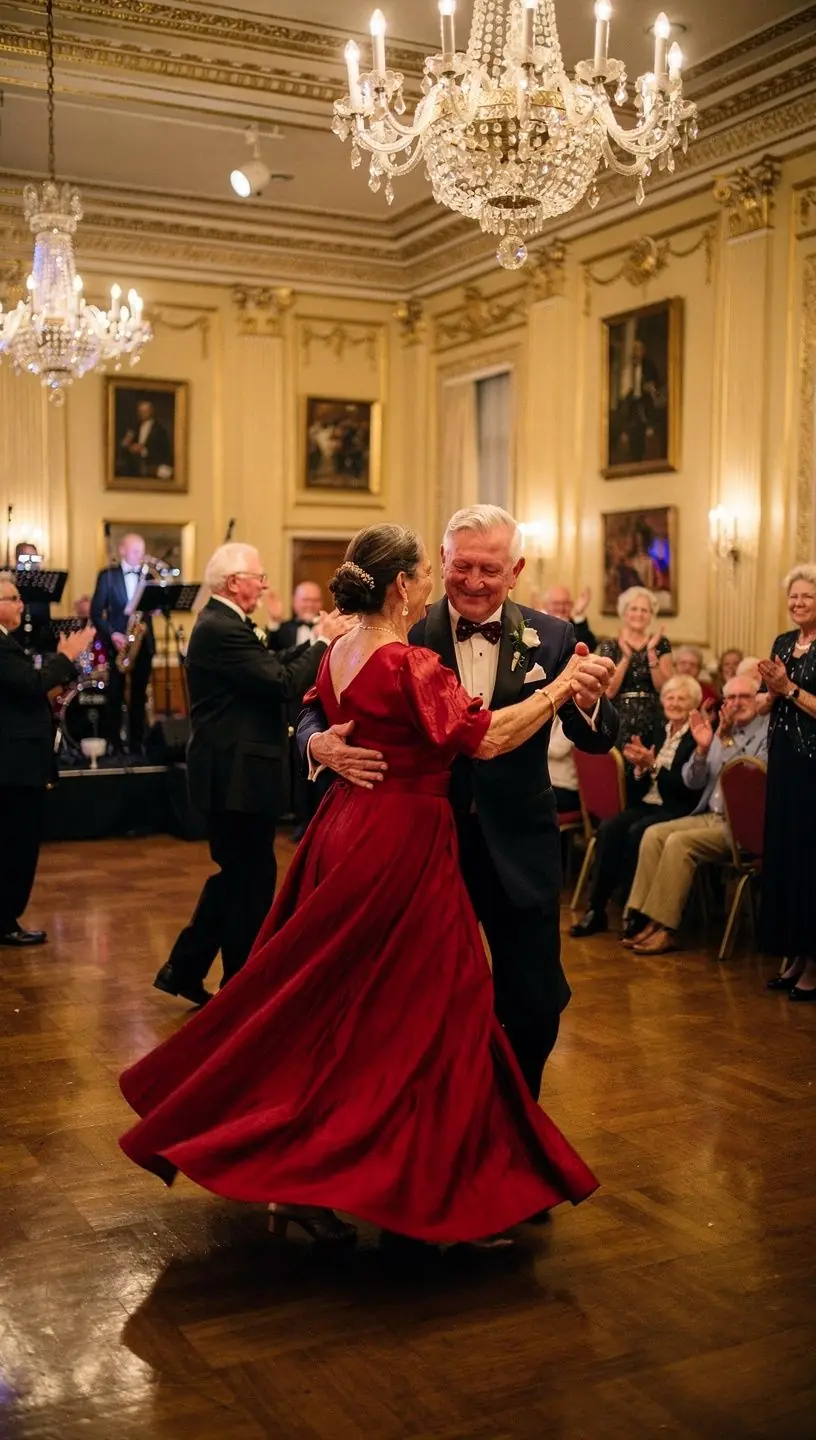
Organizing community dance events can be a rewarding experience that fosters connection and joy. However, success requires careful planning and execution. This article provides actionable insights and practical strategies to help you create engaging dance events that resonate with participants.
Understanding the Basics
Before diving into the logistics of organizing a dance event, it’s essential to understand the key principles that contribute to a successful gathering. Research indicates that events that foster a sense of community and belonging often see higher levels of participation and satisfaction. According to studies, people are more likely to engage in activities that promote social interaction and connection.
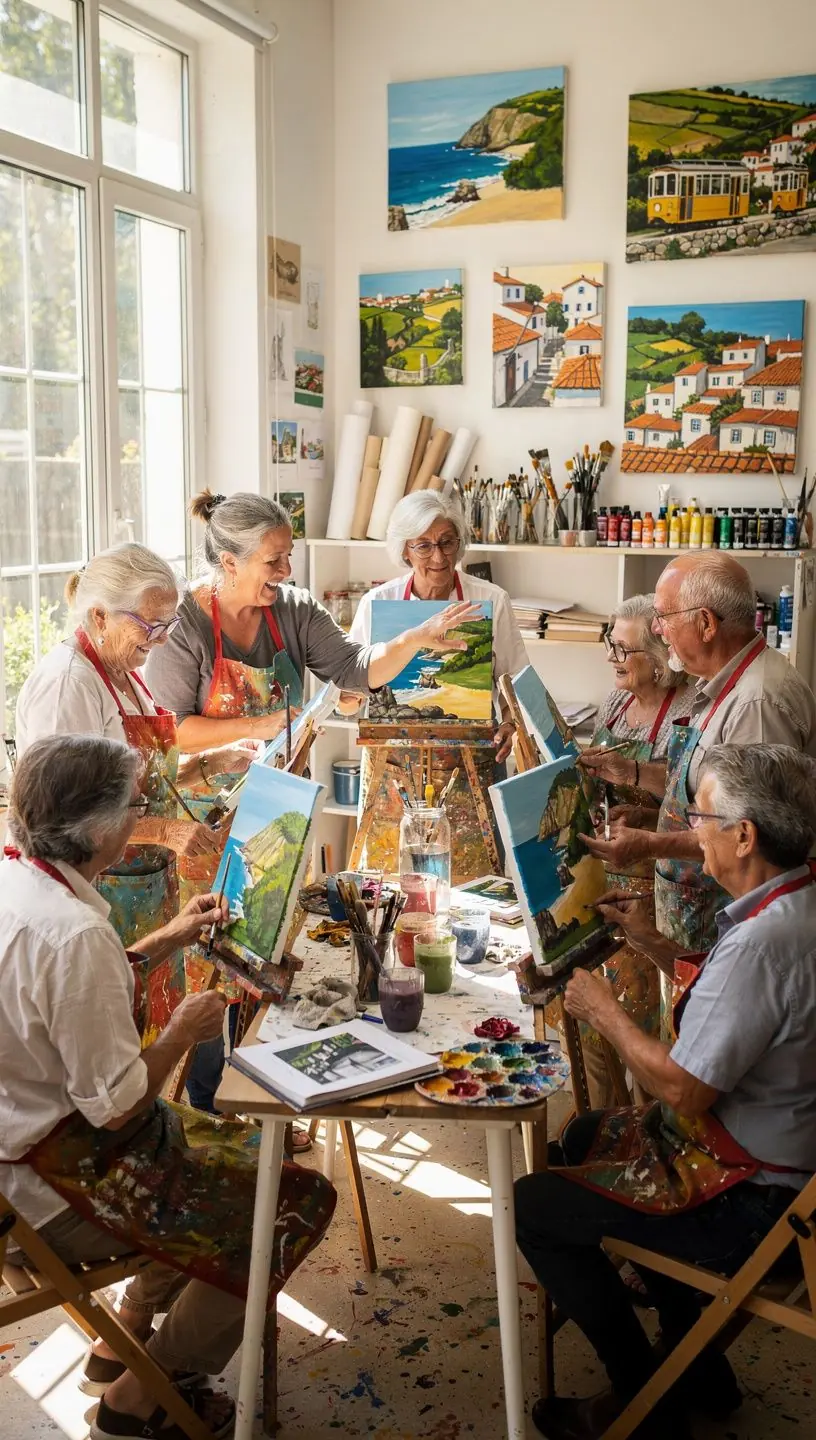
"Creating an inclusive environment can enhance participation and enjoyment in community events." - Community Engagement Expert
Planning Your Event
Effective planning is crucial for any event. Here are several steps to guide you through the process:
- Define Your Objectives: Identify what you want to achieve with this event. Are you aiming to boost community engagement, promote health and well-being, or simply offer a fun night out? Setting clear goals will help shape your planning.
- Choose the Right Venue: The location can significantly impact attendance. Select a venue that is accessible to your target audience and has adequate space for dancing and socializing. Consider venues that have a supportive atmosphere for older adults, as they often appreciate comfortable and familiar settings.
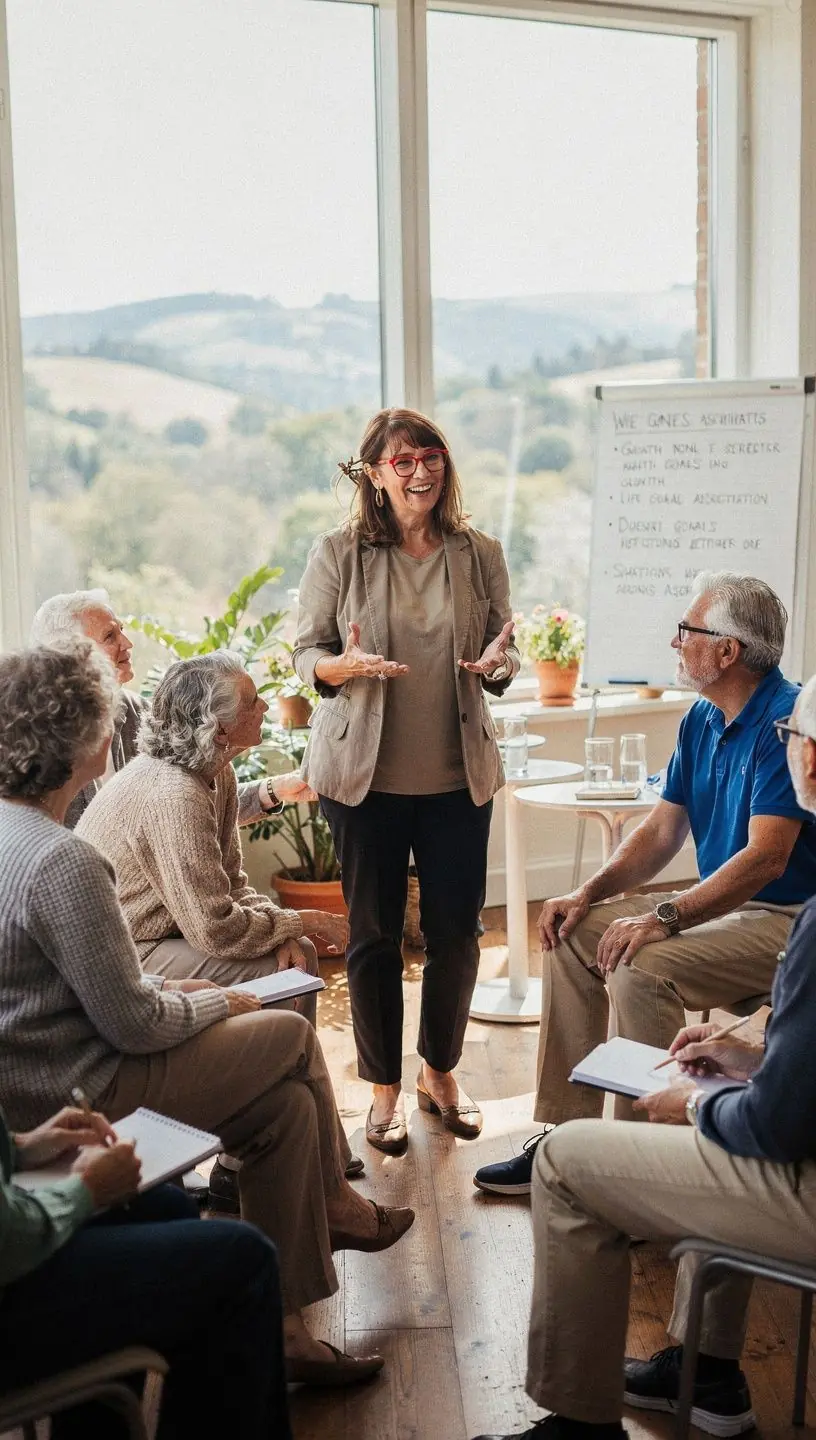
- Engage Participants in Planning: Involve community members in the planning process. Their input can provide valuable insights into their preferences and expectations. Experts recommend using surveys or informal discussions to gather feedback on music choices, types of dance styles, and activities.
Event Promotion
Once your event is planned, the next step is to promote it effectively. Utilize various platforms to reach your target audience:
- Social Media: Leverage social media channels to create buzz around the event. Engaging content, such as videos of past events or testimonials, can attract attention and encourage participation.
- Community Boards and Newsletters: Post flyers or announcements on community boards, local businesses, and newsletters. This approach often targets individuals who prefer offline communication.
- Word of Mouth: Encourage attendees to share the event with their friends and family. Personal recommendations can significantly increase attendance.
Executing the Event
On the day of the event, consider the following elements to ensure a smooth experience:
- Setup: Arrive early to set up the space, ensuring that sound systems, lighting, and seating arrangements are in place. A welcoming ambiance can set the tone for the event.
- Facilitate Engagement: Have a plan for engaging participants, such as icebreakers or group dance lessons. This can help newcomers feel more comfortable and integrated into the community.
- Feedback Collection: After the event, consider collecting feedback through quick surveys. This can provide insights into what worked well and what can be improved for future events.
Conclusion
Organizing community dance events can be both fulfilling and beneficial for participants. By understanding the principles of community engagement, planning effectively, promoting widely, and executing thoughtfully, you can create successful events that enhance community spirit. Remember, the process may take time and effort, but the joy it brings to participants can be well worth it. With these strategies, you are on your way to hosting memorable dance events that foster connection and joy in your community.
Learn More